
Disclaimer: Nothing in this article constitutes legal advice and does not establish a solicitor-client relationship between the reader and Alpine Legal Services. Penalty calculations depend on your specific mortgage and are subject to change. Always confirm your exact figures with your lender.
If you are thinking about selling your home, refinancing, or paying off your mortgage ahead of schedule in Chilliwack, Abbotsford, and Langley, a prepayment penalty can catch you off guard. Many homeowners in the Fraser Valley do not realize their closed mortgage carries a cost for paying it out early until the numbers land in front of them at closing.
The penalty is not a punishment for doing something wrong. It is a contractual charge that reflects the terms you agreed to when you signed. Understanding how it works before you list your property or start a refinance helps you plan and avoids surprises.
This article walks through what a prepayment penalty is, when it applies, and how it is commonly calculated. If you want a broader overview of how we support buyers and sellers, you can read about our real estate legal services.
What a Mortgage Prepayment Penalty Is
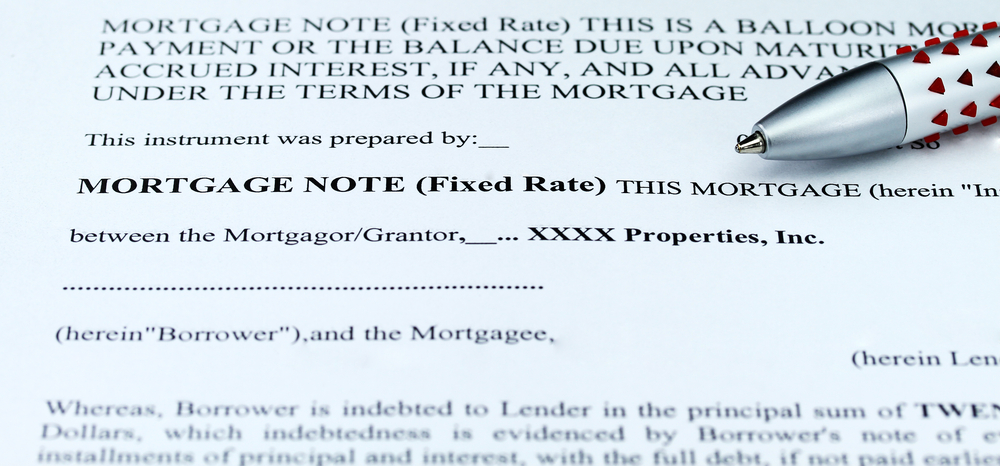
A mortgage prepayment penalty is a fee your lender charges when you pay off all or part of your mortgage before the end of your term. It applies to what is often called a closed mortgage, which is the most common type in Canada.
When you borrowed the money, the lender expected to earn interest over the full term. Paying early cuts that interest short, so the penalty is the lender’s way of recovering some of that lost return. The exact charge is set out in your mortgage agreement.
When Penalties Typically Apply
Prepayment penalties come up in a handful of common situations. You may face one when:
- Breaking a closed mortgage early. You pay out the full balance before your term ends, whether by choice or because of a life change.
- Refinancing before renewal. You replace your current mortgage with a new one, often to access a lower rate or pull out equity, before the existing term is up.
- Selling without porting. You sell your home and do not carry your existing mortgage over to a new property, so the mortgage is discharged at closing.
- Paying above your prepayment privileges. You put down a lump sum or increase payments beyond the annual limit your mortgage allows.
Not every early payment triggers a penalty, which is why it helps to know your specific terms before you act.
How Penalties Are Commonly Calculated
Lenders in BC generally use one of two methods, and your agreement will tell you which applies.
The first is three months of interest. The lender calculates roughly three months of interest on your outstanding balance at your current rate. This method is common with variable-rate mortgages.
The second is the interest rate differential, often shortened to IRD. This compares the interest you agreed to pay over your remaining term with what the lender could earn by lending that money out now at current rates. When rates have fallen since you signed, an IRD penalty can be considerably larger than three months of interest. This method is common with fixed-rate mortgages.
Lenders typically charge whichever amount is greater. The amount depends on your lender, rate, and remaining term, so we cannot tell you the figure in advance. Your lender can provide an exact quote in writing.
Open Versus Closed Mortgages and Prepayment Privileges
An open mortgage lets you pay off any amount at any time without a penalty. The trade-off is usually a higher interest rate, so open mortgages are less common and often chosen by people who expect to sell or repay soon.
A closed mortgage carries a lower rate but limits how much you can prepay each year. Most closed mortgages include prepayment privileges, which let you pay down a set percentage of the original balance or increase your regular payments within an annual cap. Staying inside those privileges lets you chip away at the balance without a charge. Going beyond them is where penalties begin.
Reviewing your privileges before you make a large payment can save you money and give you a clearer path to being mortgage free.
How This Connects to Selling or Refinancing
When you sell or refinance, your existing mortgage has to be paid out and formally removed from the title. That is where a real estate lawyer or notary public steps in.
We request the payout statement from your lender, confirm the balance and any penalty, and make sure the funds are handled correctly at closing. Once the mortgage is paid, we arrange the discharge so the lender’s claim is cleared from your property title. Getting this right protects you and keeps your sale or refinance on track.
Common Issues and Mistakes
A few recurring problems trip up homeowners in the Fraser Valley:
- Assuming there is no penalty. Many people believe a closed mortgage can be paid out freely and only learn otherwise at closing.
- Overlooking porting options. Carrying your mortgage to a new home can sometimes reduce or avoid a penalty, but the window to do it is narrow.
- Not requesting the payout early. Waiting until the last minute leaves no time to plan around the figure.
- Confusing the two calculation methods. Expecting three months of interest when your agreement uses IRD can mean a much larger charge than budgeted.
How Alpine Legal Services Helps
At Alpine Legal Services, our lawyers and notaries public guide homeowners across Chilliwack, Abbotsford, and Langley through the legal side of paying out a mortgage. We are experienced in handling the details that come with a sale or refinance so you know what to expect.
We can help you:
- Review your closing documents. We read your payout statement and flag the penalty and discharge terms.
- Coordinate with your lender. We request figures and confirm the numbers before funds move.
- Handle the discharge. We clear the old mortgage from your title once it is paid.
You can learn more about how we support mortgage financing and the sale of a property, and we are glad to answer questions specific to your situation in Chilliwack and the wider Fraser Valley.
Ready to Plan Your Sale or Refinance?
A prepayment penalty is easier to manage when you know about it early. Getting your payout figure and understanding your options before you commit puts you in a stronger position, and it keeps your closing free of last-minute surprises.
Alpine Legal Services handles payouts and discharges for homeowners across Chilliwack, Abbotsford, and Langley. Contact Alpine Legal to discuss your sale or refinance. Or learn more about our real estate legal services.
Reviewed by Shanal Prasad, Lawyer, Notary Public, and Chartered Professional Accountant. Shanal is the founder of Alpine Legal Services and has helped hundreds of Fraser Valley families and individuals with their real estate transactions.